
Maréchaux
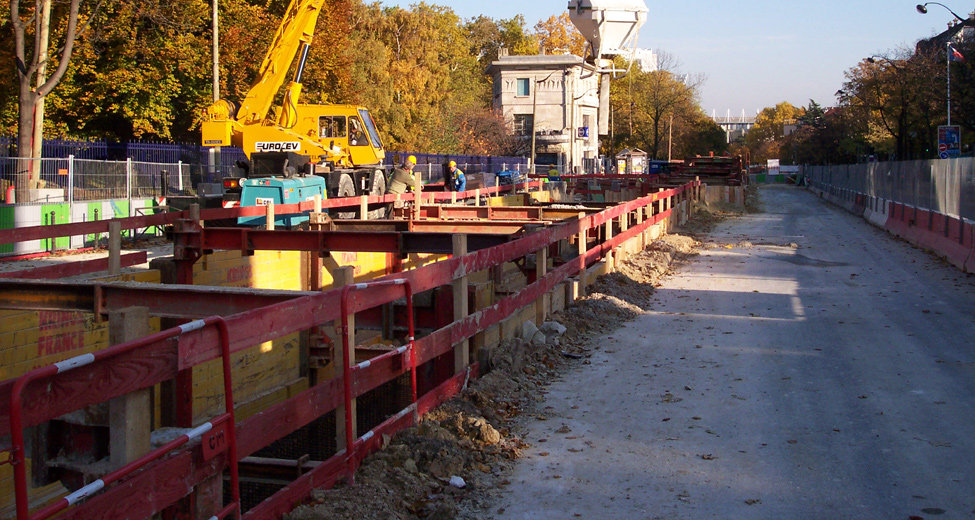
In 2006, the first Paris tramway line will run along the boulevards des Maréchaux, which will be reconfigured along a stretch of almost 8 km. From Pont de Garigliano to Porte d'Ivry.
We've forgotten the days when trams ran in Paris. Yet it's not unusual to still see traces of the old rails on the pavement. The 19th century was industrious and believed in progress. And the trams of the time were electric. Then oil came along... Today, the virtues of the tramway are being rediscovered. The plan to reintroduce them to the capital was initiated by Jean Tibéri and pursued by Bertrand Delanoë, especially as the idea appealed to the Greens. The question then arose as to where it could be run. There were two possible options: either to use the old railway line of the ‘petite ceinture’ or to occupy part of the boulevards des Maréchaux. The second option was chosen. The municipality's idea was to redistribute the existing road network more equitably between the different modes of transport, by limiting the use of cars, while breathing new life into these famous boulevards, the capital's poor relations. From a technical point of view, a rail tramway has been chosen. These will be large vehicles, 45 m long and 2.65 m wide, with a capacity of up to 300 people. This first section, 8 kilometres long and 40 metres wide, will have 17 stations linked to the bus and metro networks. The question of which part of the carriageway the famous tramway would be built on has been settled: in the middle, separating the two lanes reserved for cars.
Localisation:
Paris - 75Date:
2003-2004Scope of works:
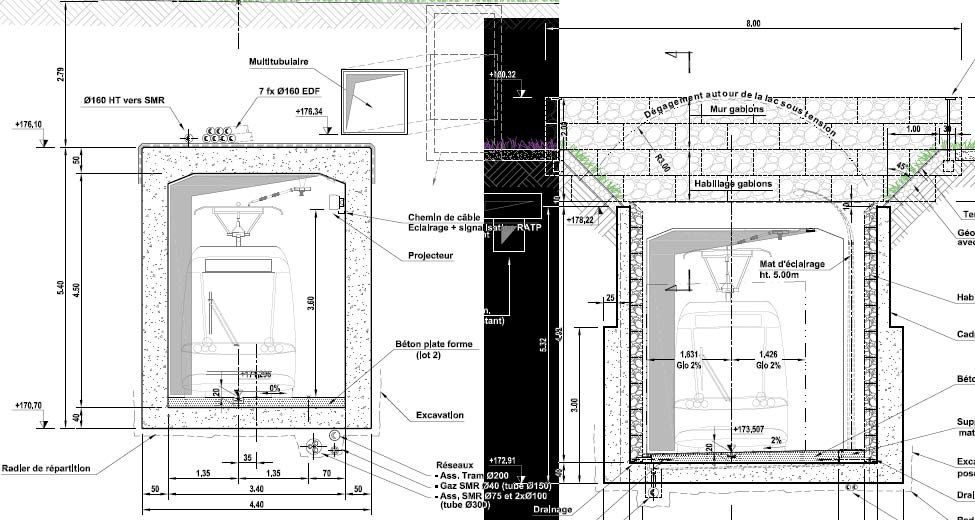
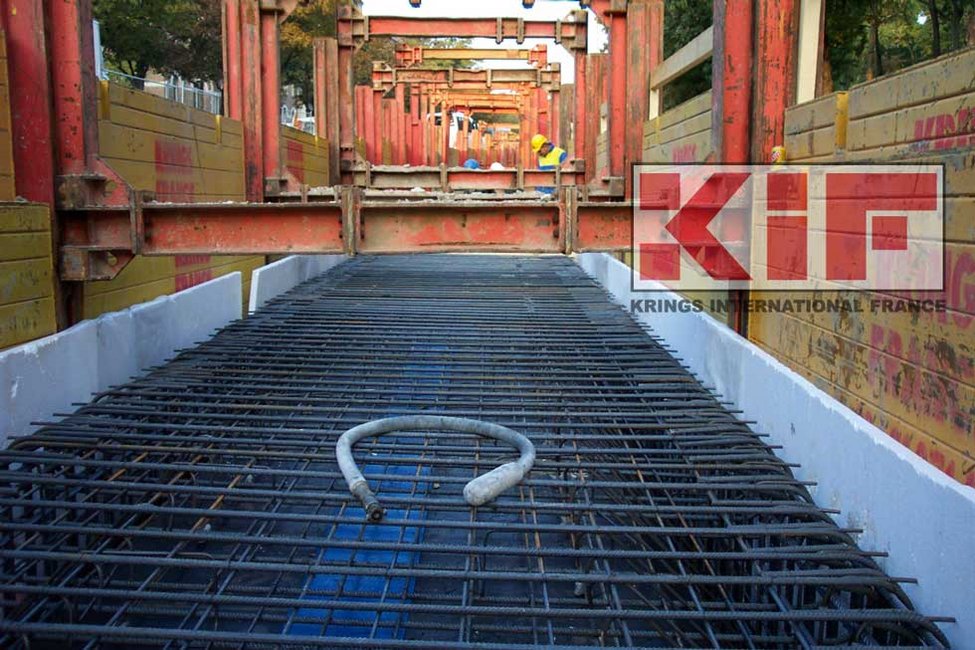
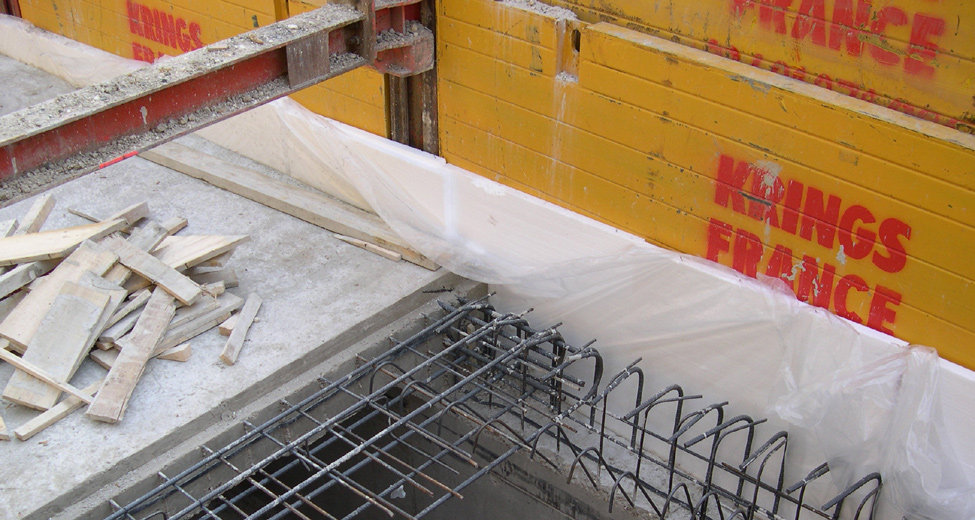
Cast-in-situ technical gallery, 6.10m deepType of equipment used:
DGPV 6000 parallel double slide systemProducts used on this project:
Double slide rail parallel DGPVDate:
4 June 2024
 English
  French